

In today’s fast-paced digital world, measuring marketing success is crucial. Businesses need to know what works and what doesn’t.
Understanding marketing performance helps in making informed decisions. It ensures resources are used efficiently.
But how do you measure marketing performance effectively? The answer lies in key metrics and analytics.
Marketing measurements provide insights into campaign effectiveness. They help track progress toward goals.
Key Performance Indicators (KPIs) are essential for this process. They align marketing efforts with business objectives.
Return on Investment (ROI) is a critical metric. It shows the financial return from marketing activities.
Customer Acquisition Cost (CAC) and Customer Lifetime Value (CLV) are also vital. They measure customer-related success.
Conversion rates and website traffic offer insights into user engagement. They highlight areas for improvement.
Social media and email marketing metrics reveal audience interaction. They guide future strategies.
Advanced analytics, like predictive modeling, enhance marketing insights. They forecast future trends and outcomes.
By understanding these metrics, businesses can achieve marketing success. They can optimize strategies for better results.
Understanding Marketing Success: Definitions and Foundations
Marketing success means different things to different businesses. Understanding its foundational elements is crucial for clarity and direction.
Defining success in marketing starts with clear objectives. These goals serve as a guiding light for efforts and strategies.
Every marketing effort should align with overarching business goals. This alignment ensures relevance and impact in the long term.
Several key components define marketing success. It’s not just about sales but also about customer engagement and brand visibility.
Marketing success can include increased brand awareness, customer loyalty, and enhanced market position. These aspects contribute to a sustainable business model.
To grasp these definitions, businesses must measure progress accurately. This involves using various marketing metrics for comprehensive analysis.
Some fundamentals include:
- Setting realistic goals and benchmarks
- Understanding the target audience deeply
- Analyzing market trends for better foresight
With these elements in place, businesses can accurately assess their marketing efforts. This assessment is vital for ongoing improvement.
By building a strong foundation of definitions, marketing success becomes measurable and achievable. This clarity paves the way for better strategies and improved results.
Setting Clear Marketing Goals and Objectives
The first step to marketing success is setting clear goals. This establishes a pathway for all marketing activities.
Goals should be specific and measurable. Vague goals can lead to confusion and misalignment in efforts. Clarity is crucial.
Effective marketing goals align with overall business objectives. This alignment ensures that every marketing activity contributes to broader success.
Prioritize achievable goals. Unrealistic targets can drain resources and diminish team morale. Setting realistic benchmarks is key.
Consider short-term and long-term objectives. Balancing these helps in staying adaptable yet focused on future growth.
When setting goals, consider the customer. Incorporating customer feedback and preferences can enhance goal relevance.
Here is a checklist for setting goals:
- Define the specific marketing objective.
- Ensure measurability and align with business aims.
- Prioritize customer-centric and realistic targets.
Regular evaluation of goals is crucial. This ensures that adjustments can be made for continuous improvement. Tracking progress helps teams stay motivated and informed about their efforts.
By maintaining a clear focus on defined goals, marketing teams can execute strategies more effectively. This clarity improves outcomes and aligns efforts with business success.
Aligning Marketing Metrics with Business Objectives
Connecting marketing metrics with business objectives is fundamental. This alignment ensures efforts contribute to overall success.
Metrics should not operate in isolation. They must reflect broader company goals. Each metric needs to serve a specific purpose within the grand scheme.
Tailor metrics to fit the unique nature of your business. A one-size-fits-all approach may not yield meaningful insights.
Consider the long-term vision of the company. Ensure that the selected metrics point the team towards that vision.
Breaking down objectives into actionable metrics is crucial. This makes larger goals more digestible and trackable for the marketing team.
Communicate the purpose of each metric across the team. This understanding fosters collaboration and focus towards mutual objectives.
Use this list when aligning metrics:
- Identify the main business goals.
- Select relevant marketing metrics to support these goals.
- Ensure clarity in communication about how these metrics tie to broader objectives.
Review and revise metrics regularly. Business goals evolve, and so should the metrics. This process helps in maintaining relevance and effectiveness.
By integrating marketing metrics with business objectives, teams can ensure that every strategy and action propels the business forward. This synchronization is critical for achieving sustainable growth.
Key Performance Indicators (KPIs) for Marketing
Key Performance Indicators (KPIs) serve as vital tools for gauging marketing success. They provide a clear picture of performance. KPIs help teams focus on what’s most important.
Identifying the right KPIs starts with understanding your goals. Different campaigns require different metrics. Tailor your KPIs to fit the context of each campaign.
Tracking KPIs is not just about collecting data. It’s about interpreting this data to make informed decisions. KPIs should lead to actionable insights.
Choose KPIs that align with your business stage. Startups may focus more on growth metrics, while established brands might prioritize customer retention.
The visibility of KPIs is crucial. Make sure that your team can easily access and understand them. This transparency fosters accountability.
Regularly review KPIs. The market changes, and so should your measurement tools. Adapting keeps metrics relevant.
KPIs to consider include:
- Return on Investment (ROI)
- Customer Acquisition Cost (CAC)
- Conversion Rate
- Social Media Engagement
Less common but insightful KPIs could be:
- Customer Lifetime Value (CLV)
- Brand Awareness
- Referral Traffic
- Net Promoter Score (NPS)
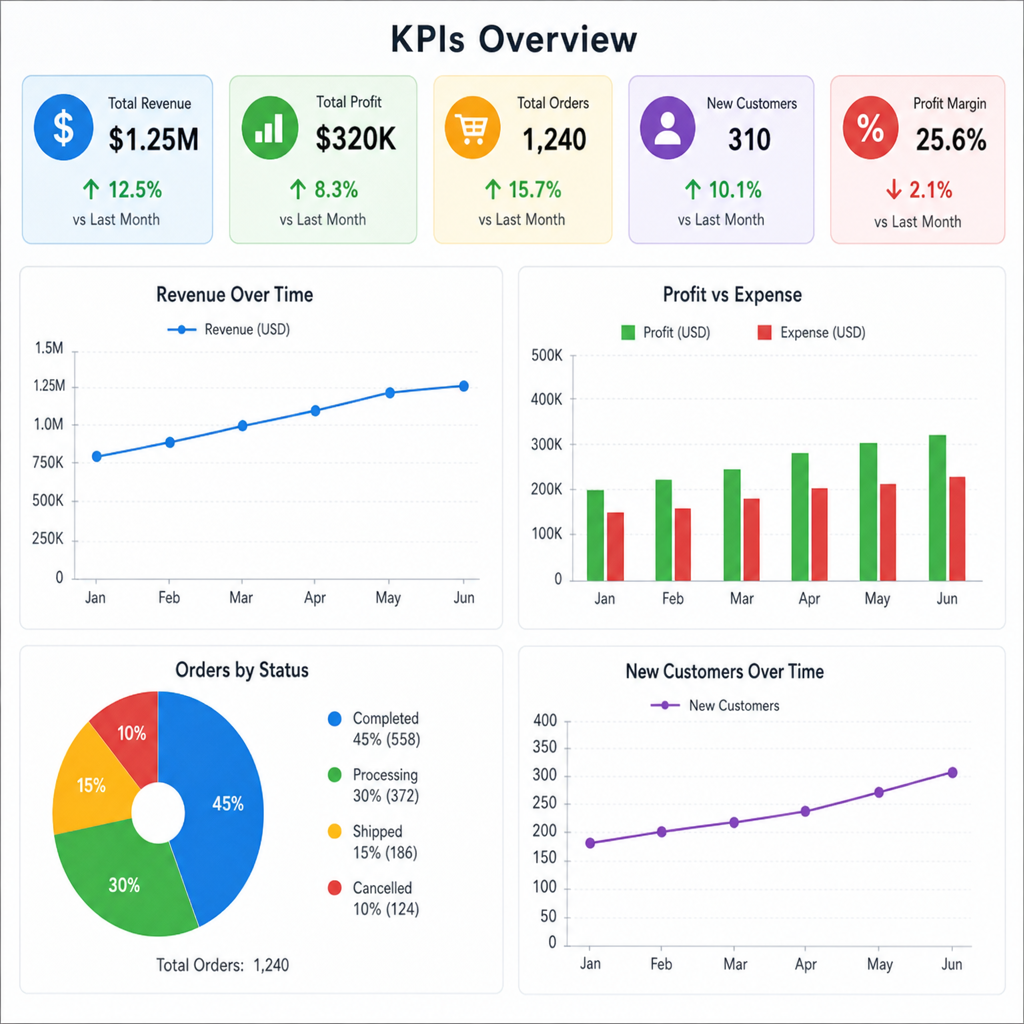
By leveraging the right KPIs, marketing efforts can stay aligned with strategic goals. This alignment is essential for achieving meaningful success. Ultimately, KPIs provide the roadmap for continuous improvement and focused growth.
Essential Metrics for Marketing Performance Tracking
Tracking marketing performance is key to understanding success. The right metrics guide strategic decisions and highlight areas needing improvement. Metrics act as the compass for marketing efforts.
The selection of metrics depends heavily on goals. What works for one campaign might not suit another. Tailor your metric choices for relevance and precision.
Being data-driven requires consistent measurement. Regularly evaluated metrics provide insights into trends over time. This consistency is crucial for adapting strategies.
Two types of metrics can be particularly insightful:
- Quantitative metrics: numerical data like conversion rates.
- Qualitative metrics: customer feedback and surveys.
Core metrics for tracking:
- ROI: Measures the efficiency of investments.
- CAC: Highlights the cost-effectiveness of acquiring customers.
- CLV: Shows the long-term value a customer brings.
Advanced tracking:
- Cross-channel analytics: Understand customer behavior across multiple platforms.
- Attribution modeling: Determine which marketing efforts lead to conversions.
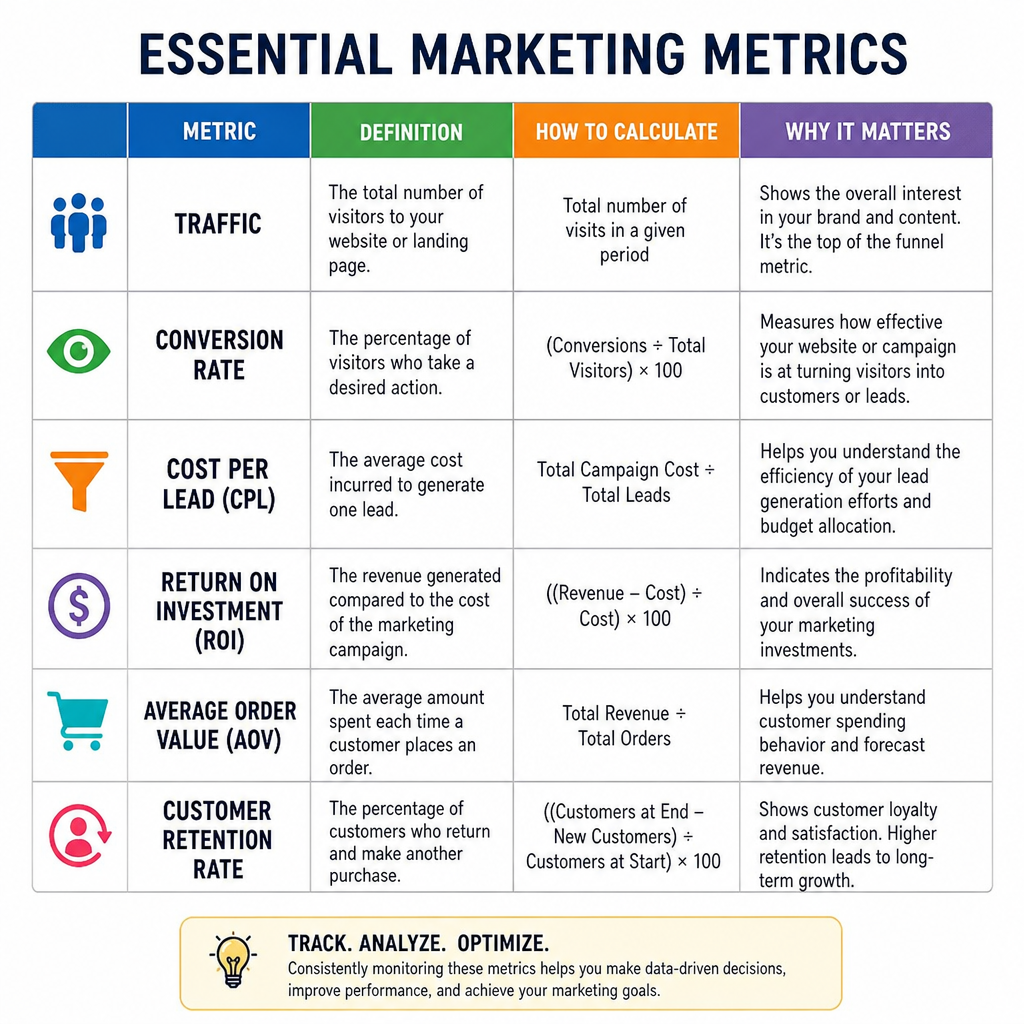
Real-time tracking tools are invaluable. They provide immediate insights, allowing for swift action. Dashboards that consolidate metrics streamline the analysis process.
Metrics should align with industry standards. Understanding the broader market context improves competitiveness. Benchmarking against competitors is also beneficial.
Businesses should frequently revisit and adjust metrics. As technologies and markets evolve, so do measurement needs. This flexibility ensures that analysis remains relevant.
Return on Investment (ROI)
Return on Investment (ROI) is a critical metric for measuring marketing efficiency. It shows how much revenue is generated from marketing efforts. Calculating ROI involves comparing profits with marketing costs.
A high ROI indicates effective use of resources. It’s a sign of successful strategy implementation. Conversely, a low ROI may prompt reevaluation of current tactics.
To calculate ROI:
- Identify total revenue from marketing efforts.
- Deduct marketing expenses.
- Divide the result by marketing costs.
ROI calculations help prioritize budgets. They identify which campaigns offer the most value. This ensures optimal allocation of marketing funds. Moreover, tracking changes in ROI over time provides insights into performance trends.
Customer Acquisition Cost (CAC)
Customer Acquisition Cost (CAC) tracks the expense of gaining a new customer. Knowing CAC helps assess the cost-effectiveness of marketing strategies.
The calculation is straightforward: Total marketing expenses divided by new customers acquired. A lower CAC indicates efficient marketing efforts.
High CAC might require a strategy reevaluation. It suggests that marketing might be costing more than it’s worth. This highlights potential inefficiencies in the process.
CAC insights allow businesses to streamline acquisition strategies. They can focus resources on approaches that draw in customers more economically. The balance between CAC and customer value is also vital for long-term profitability.
Customer Lifetime Value (CLV)
Customer Lifetime Value (CLV) measures the total worth of a customer over their engagement period. This metric is vital for predicting long-term business success.
To calculate CLV:
- Average purchase value is multiplied by purchase frequency.
- Multiply that result by the average customer lifespan.
Focusing on CLV emphasizes customer retention. Loyal customers tend to spend more over time. Improving CLV can enhance overall profitability.
A higher CLV often justifies more on customer acquisition. When you know the potential lifetime value, you can plan better. Balancing CAC and CLV is crucial for strategic growth.
Conversion Rates
Conversion rates reveal the percentage of users completing a desired action. It’s a direct measure of campaign effectiveness.
The calculation is: Conversions divided by total visitors, then multiplied by 100. Conversion rates help identify which strategies work. It’s crucial for optimizing marketing tactics.
High conversion rates denote successful engagement. They indicate that marketing messages resonate well with the audience. A low conversion rate suggests a need to tweak the campaign.
Focus on improving elements like call-to-actions and landing pages. Even small changes can significantly impact conversion success. Continuous testing and optimization make a difference.
Website Traffic and Engagement Metrics
Website traffic metrics show how visitors interact with your site. These metrics highlight areas of potential improvement. They include both visits and engagement behaviors.
Key metrics to track:
- Page views: The number of pages viewed by visitors.
- Bounce rate: The percentage of visitors leaving without interaction.
- Session duration: The time spent by users during a visit.
Engagement metrics demonstrate visitor interest. Actions like clicks and form submissions are insightful. These indicate how compelling your content is.
Advanced tracking includes:
- Heatmaps: Visual representations showing where users focus their attention.
- Exit pages: Identifying where users most frequently leave the site.

Analyzing these metrics helps improve user experience. It provides the data needed to fine-tune website content. Enhancing engagement often leads to higher conversions.
Social Media Analytics
Social media analytics gauge the success of social platforms. These metrics measure both reach and engagement. The collected data guides future social strategies.
Commonly tracked metrics include:
- Likes and shares: Basic indicators of engagement.
- Comments: Show deeper interaction with posts.
- Followers: Represent overall reach and audience size.
Advanced social media metrics might involve:
- Engagement rate: The ratio of interaction relative to followers.
- Sentiment analysis: Understanding audience perception of content.
Social media platforms offer in-built analytics tools. These provide insights at no extra cost. Knowing what’s driving engagement can help direct future content planning.

Continually monitoring social media metrics enhances digital presence. Adjusting strategies based on data ensures better engagement. Social platforms are dynamic; metrics help keep pace with trends.
Email Marketing Metrics
Email marketing remains a powerful channel. Key metrics drive the optimization of campaigns. Understanding these metrics is vital for improvement.
Essential email marketing metrics include:
- Open rate: Shows how many recipients open emails.
- Click-through rate (CTR): Measures engagement with links.
- Conversion rate: Assesses the effectiveness of calls-to-action.
Email metrics provide feedback on strategy success. High open and click-through rates suggest engaging content. Meanwhile, a low conversion rate indicates room for improvement.
Understanding unsubscribe rates is crucial. A rising rate might indicate content misalignment. It’s essential for maintaining a healthy email list.
Regular analysis can boost campaign performance. Fine-tuning email content leads to higher audience satisfaction. This ultimately supports other marketing goals.
Lead Generation and Nurturing Metrics
Lead generation metrics measure the effectiveness of attracting potential customers. They shed light on the quality of leads brought in. Metrics provide insights into campaign impact.
Core metrics to track include:
- Total leads: Measure the volume of generated prospects.
- Qualified leads: Identify leads likely to convert.
- Cost per lead: Tracks the expense of acquiring prospects.
Lead nurturing metrics focus on engagement:
- Lead response rate: Measures the speed of follow-up.
- Nurturing path progress: Tracks how well leads move through the funnel.
Effective metrics differentiate between interest levels. This helps customize marketing efforts. Personalization increases conversion probability.
Adjusting strategies based on metrics can optimize lead quality. High-quality leads tend to have better conversion rates. This enhances the overall cost-effectiveness of marketing campaigns.
Brand Awareness and Sentiment Analysis
Brand awareness metrics assess audience recognition levels. Awareness is fundamental for market presence. Growing recognition leads to increased market share.
Metrics to consider:
- Brand recall: Measures how well the audience remembers your brand.
- Reach: Calculates the potential audience size.
- Brand mentions: Tracks direct references on social media and forums.
Sentiment analysis evaluates audience perceptions:
- Positive: Indicates favorable views and satisfaction.
- Neutral: Shows room for enhancing impression.
- Negative: Signifies dissatisfaction or potential issues to address.
Tools like social listening platforms can gauge sentiment. Understanding how audiences perceive the brand directs messaging. It helps in crafting more effective marketing campaigns.
Regular monitoring helps maintain a positive brand image. Quick responses to negative sentiment safeguard reputation. It’s a crucial element of proactive brand management.
Content Marketing Performance Metrics
Content marketing metrics evaluate the success of content strategies. Effective metrics demonstrate value addition and audience engagement. They help refine content efforts over time.
Key performance indicators include:
- Page views: Traffic attracted by each content piece.
- Social shares: Indicates the virality of the content.
- Average time on page: Measures the depth of engagement.
Advanced content metrics could involve:
- Lead generation: Attracting prospects through content.
- Backlink count: Demonstrates content authority and influence.
Understanding audience preferences guides content improvements. It ensures that content is both relevant and engaging. Regular analysis informs editorial decisions.
Metrics provide insight into content trends. Adjusting strategies based on data keeps content fresh. This, in turn, enhances audience loyalty and engagement.
SEO and Organic Search Metrics
SEO metrics provide insights into organic search performance. They help optimize visibility and rankings. Effective SEO enhances website traffic.
Core SEO metrics include:
- Organic search traffic: Tracks visitors from search engines.
- Keyword rankings: Measures visibility for targeted terms.
- Click-through rate (CTR): Assesses link attractiveness in search results.
Additional metrics to monitor:
- Backlinks: Indicates authority and relevance of content.
- Page load speed: Impacts user experience and rankings.
Monitoring these metrics can drive strategy changes. Continuous optimization is key for maintaining competitiveness. It improves ranking and search visibility.
Regular SEO audits help identify issues. Addressing these swiftly ensures sustained performance. An optimized site offers better user experiences and higher engagement.
Paid Advertising and Digital Campaign Analytics
Paid advertising metrics assess digital campaign effectiveness. They reveal the performance of campaigns and ad efforts. Insights guide optimizations for better returns.
Commonly tracked metrics include:
- Click-through rate (CTR): Indicates ad effectiveness.
- Conversion rate: Measures success in achieving desired actions.
- Cost per click (CPC): Highlights spending efficiency.
Advanced analytics can include:
- Ad reach: Potential audience size for adverts.
- Quality score: Google Ads metric impacting cost and performance.
Analytics highlight where spending drives the most value. They pinpoint ad elements needing improvement. Regular tracking ensures alignment with campaign goals.
Campaign performance guides budget allocations. Focus funding on high-performing campaigns for best results. This strategy maximizes marketing investment returns.
Mobile and Video Marketing Metrics
Mobile and video metrics evaluate engagement on digital content. Understanding these metrics informs device-specific strategies. With rising mobile use, these metrics are crucial.
Key mobile metrics include:
- Mobile traffic: Assesses user visits via mobile devices.
- Mobile conversion rate: Tracks goal completions from mobile users.
- App downloads: Measures app demand and adoption.
Video metrics to consider:
- View count: Basic indicator of interest.
- Play rate: Measures effectiveness in engaging users.
- Video completion rate: Tracks full video views by users.
Video and mobile insights guide content optimization. Tailoring content to user devices enhances engagement. Optimized content reaches broader audiences.
Regular metric reviews inform strategic adjustments. Mobile-friendly content often sees higher user interaction. Video storytelling enhances communication and strengthens brand messages.
Advanced Marketing Measurements and Analytics
Advanced analytics add depth and precision to marketing measurement. They leverage sophisticated tools and technologies. These methods reveal insights traditional analysis might miss.
Predictive analytics foretell future outcomes. It uses historical data to anticipate trends. This proactive approach informs strategic planning.
Machine learning offers enhanced data processing. Algorithms adapt and improve over time. This allows for real-time, data-driven decisions.
Cross-channel analytics examine customer interactions across platforms. They provide a comprehensive view of consumer behavior. Understanding this interaction aids in cohesive strategy development.
Omnichannel analytics focus on seamless customer experiences. They track consumer journeys across online and offline channels. This ensures consistent engagement at every touchpoint.
Attribution modeling identifies which actions lead to conversions. It helps allocate credit across various marketing efforts. Different models suit different business needs and goals.
Customer journey mapping visualizes the path prospects take. It highlights interactions from first touchpoint to final purchase. This insight refines the consumer experience.
Advanced analytics tools can visualize complex data effectively. They transform raw numbers into actionable insights. Visualization enhances understanding, guiding smarter marketing decisions.

Leveraging advanced techniques empowers marketers. They improve strategic foresight and operational efficiency. The data-driven approach is essential in modern marketing environments.
Predictive Analytics and Machine Learning in Marketing
Predictive analytics utilizes data to forecast future outcomes. It identifies likely trends and customer behaviors. This helps tailor marketing strategies to anticipated changes.
Machine learning enhances this by processing large datasets. Algorithms spot patterns and learn from data iteratively. Insights gained are precise and actionable.
Predictive models can:
- Anticipate customer preferences.
- Predict purchasing behavior.
- Forecast campaign impacts.
Integrating these insights can direct resource allocation. Marketers can focus on high-potential areas. This maximizes the return on marketing investments.
Predictive analytics transforms raw data into strategic forecasts. Using it allows proactive marketing. Marketers can stay ahead of the market curve, adapting swiftly. Real-time data processing enables nimble decision-making, essential for dynamic markets.
Cross-Channel and Omnichannel Marketing Analytics
Cross-channel analytics analyze consumer interactions across various platforms. They provide a holistic view of customer behavior. This comprehensive approach is essential for cohesive marketing strategies.
Omnichannel analytics go a step further. They ensure seamless integration of customer experience. Interactions across channels should be cohesive and fluent.
Key benefits include:
- Better understanding of customer preferences.
- Identifying the most effective channels for engagement.
- Ensuring consistent messaging across all platforms.
By leveraging these insights, marketing strategies can become more targeted. This results in improved engagement and conversion rates. Consumer experiences should feel uninterrupted and personalized.
Cross-channel insights enhance the reach of marketing efforts. They ensure efficiency by clarifying which channels generate results. Understanding these dynamics aids in crafting tailored strategies that resonate with audiences.
Attribution Modeling and Customer Journey Mapping
Attribution modeling evaluates the conversion pathway. It credits marketing efforts across customer journeys. This understanding refines campaign strategies and budget allocation.
Modeling options include:
- First-touch attribution: Credits the first point of contact.
- Last-touch attribution: Awards credit to the final interaction before conversion.
- Multi-touch attribution: Distributes credit across multiple interactions.
Each model serves different analytical purposes. Selection depends on specific business goals. Multi-touch models provide the most comprehensive insights.
Customer journey mapping visualizes the entire customer lifecycle. It emphasizes key touchpoints and decision-making moments. Mapping informs marketers where to focus efforts for improved engagement.
Visual representation of journeys aids in strategy refinement. It fosters an empathetic understanding of consumer experiences. Businesses can evolve their strategies to better meet consumer needs, thus enhancing satisfaction and loyalty.
Tools and Dashboards for Marketing Performance Tracking
Tracking marketing performance requires the right tools and dashboards. These technologies simplify data collection and analysis. They offer a clear snapshot of campaigns in real-time.
Marketing dashboards present data visually. They consolidate metrics for easy interpretation. This helps marketers make informed decisions quickly.
Essential features of a good marketing dashboard include:
- Customizable widgets to focus on relevant data.
- Integration with various data sources for a holistic view.
- Real-time updates to reflect current performance.
Several tools are popular in the marketing analytics landscape. Google Analytics provides comprehensive insights into web traffic. It integrates well with other Google tools for enhanced functionality.
Social media management tools like Hootsuite track engagement across platforms. They streamline social media metrics and scheduling. This helps manage and optimize social interactions efficiently.
Email marketing platforms like Mailchimp deliver detailed campaign data. They track open rates, clicks, and conversions. This data guides email marketing strategies for greater effectiveness.
Choosing the right tools can optimize marketing workflows. They reduce time spent on data collection and improve accuracy. By focusing on actionable insights, marketers can refine strategies swiftly.

Informed by these tools, teams can drive performance improvements. They bridge the gap between raw data and strategic insights. This fosters a data-driven culture that supports sustained success.
Overcoming Common Obstacles in Measuring Marketing Success
Measuring marketing success can be challenging, with obstacles often arising during analysis. These hurdles can skew results, leading to ineffective strategies. Understanding common issues is critical for accurate measurement.
One significant challenge is data silos, where information is isolated across various departments. This disconnect hampers a unified view of marketing performance. Breaking down silos involves fostering interdepartmental collaboration and data sharing.
Ambiguous goals also make measuring success difficult. Without clear objectives, it’s hard to gauge whether efforts are effective. Setting specific, measurable goals is essential to overcome this obstacle.
Inadequate tools and outdated technology can hinder tracking. Many organizations rely on outdated systems that don’t integrate well. Investing in modern, integrated systems can streamline data collection and analysis.
Subjective interpretation of data is another common pitfall. Personal biases can distort metric evaluation, affecting decisions. Encouraging a data-driven mindset mitigates this risk by relying on hard evidence.
Key strategies to overcome these challenges include:
- Implementing integrated data systems.
- Establishing clear, measurable objectives.
- Encouraging data sharing across teams.
- Promoting a culture of unbiased data analysis.
By addressing these obstacles, organizations can enhance their marketing measurements. This leads to more accurate insights and refined strategies. Overcoming these hurdles is vital for sustained success.
Best Practices for Effective Marketing Performance Tracking
Effective tracking of marketing performance requires a strategic approach. One fundamental practice is to set precise and realistic goals. Goals should align with business objectives for a clear path forward.
Regularly reviewing and adjusting these goals ensures they remain relevant. Market conditions change, and strategies must adapt. This practice helps maintain focus on current priorities.
Leveraging data-driven decision-making is essential. With vast amounts of data available, tools and analytics platforms are invaluable. These technologies provide insights into customer behavior and campaign efficiency.
Best Practices for Data Utilization:
- Use advanced analytics tools.
- Implement dashboards for real-time tracking.
The selection of appropriate metrics is crucial. Not all metrics provide equal value, so focus on those most relevant to your objectives. This focus prevents data overload and emphasizes quality over quantity.
Key Metric Strategies:
- Prioritize metrics aligned with business goals.
- Evaluate the impact of campaigns regularly.
Collaboration across departments improves tracking effectiveness. Sharing insights broadens understanding and fosters innovation. This teamwork enhances the overall measurement process.
By adopting these best practices, marketing teams can track performance more effectively. This leads to informed strategies and improved marketing outcomes.
Case Studies: Real-World Examples of Measuring Marketing Success
Real-world examples provide valuable insights into successful marketing measurement. Case studies highlight the practical application of theories and strategies. They show tangible benefits and outcomes.
One notable case is a retail giant leveraging conversion rates. By optimizing user journeys, they increased online sales by 20%. This success relied on detailed analysis and iteration.
A tech company focused on Customer Lifetime Value (CLV). They targeted high-value segments through personalized campaigns. This approach led to a significant rise in customer retention and revenue.
A startup used social media analytics to enhance brand awareness. Targeted engagement on platforms led to a 50% increase in followers. Social listening tools provided insights into audience preferences.
Elements of Success in Case Studies:
- Identify key metrics that align with business goals.
- Implement data analytics to refine strategies.
An e-commerce business prioritized email marketing metrics. Through A/B testing of subject lines, they improved open rates by 30%. Optimization efforts led to higher customer engagement.
A B2B company focused on lead generation metrics. They streamlined processes, enhancing lead quality and conversion. This focus resulted in an efficient sales funnel and higher profits.

Learning from these examples provides actionable insights. Companies can adapt strategies to fit their unique needs. Emulating successful case studies enhances marketing effectiveness.
By analyzing these examples, marketers gain practical knowledge. They refine their approaches, optimizing marketing efforts. Case studies serve as a blueprint for marketing success.
Future Trends in Marketing Measurement and Analytics
The future of marketing measurement is evolving rapidly. Emerging technologies shape how marketers analyze data. These advancements enhance precision and insights.
Artificial intelligence (AI) is playing a crucial role. AI algorithms analyze vast datasets swiftly. They provide deeper insights into consumer behaviors.
Predictive analytics is becoming more prominent. This tool enables marketers to anticipate trends. It guides strategic decisions with foresight and accuracy.
Trends to Watch:
- Increased use of AI and machine learning.
- Greater focus on data privacy and ethical use.
- Advancements in real-time analytics.
Omnichannel measurement is gaining importance. Consumers interact across multiple platforms. Unified data offers a complete picture of their journeys.
The integration of augmented and virtual reality (AR/VR) is on the rise. It offers new avenues for customer engagement. Tracking AR/VR interactions provides rich insights.
As technology evolves, so will the metrics. This dynamic field promises exciting opportunities. Marketers must stay attuned to these trends to thrive.
Conclusion: Building a Culture of Data-Driven Marketing Success
In today’s fast-paced market, data-driven strategies are crucial. They guide decision-making and optimize marketing efforts. Cultivating a culture that values data is essential for lasting success.
Organizations should encourage data literacy. Educating teams on data interpretation empowers them. This approach fosters informed strategic planning and execution.
Data should be the foundation of every campaign. By analyzing metrics, teams can identify strengths and weaknesses. They can adjust tactics for better outcomes quickly.
Steps to Foster Data-Driven Success:
- Emphasize ongoing data education.
- Encourage cross-departmental collaboration on analytics.
- Integrate data analysis tools into daily workflows.
By building a data-centric culture, organizations gain a competitive edge. They enhance marketing performance and drive growth. This focus ensures sustained success in an ever-changing marketplace.
